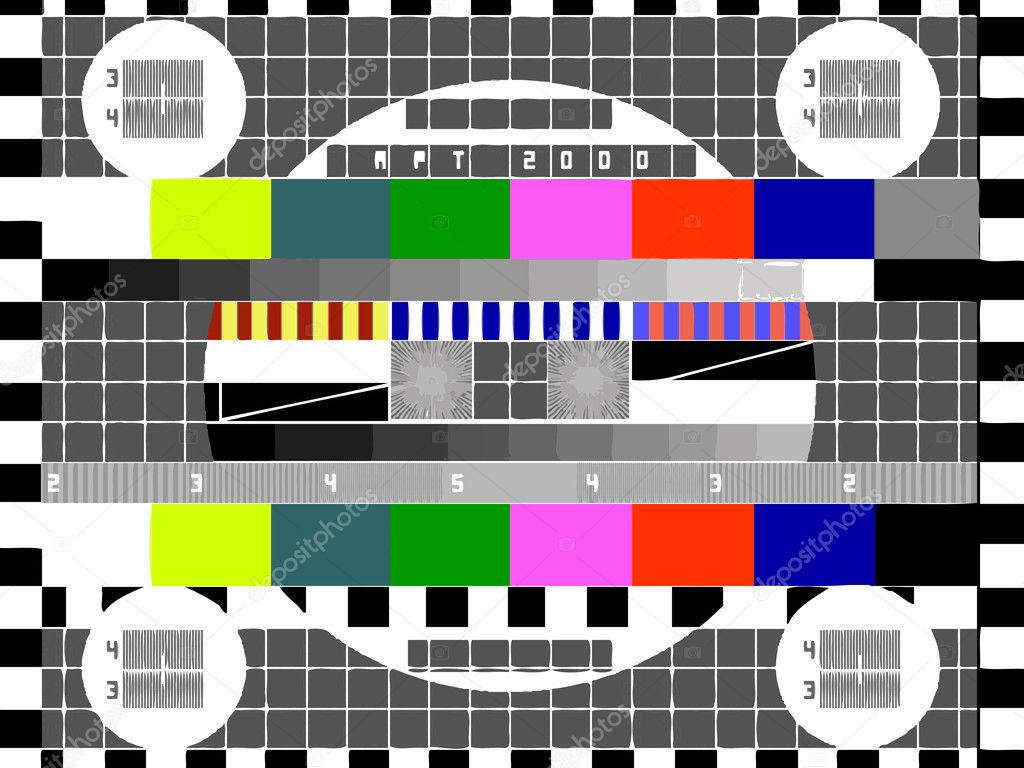
Note: Images are for illustration only and not meant to represent actual results.
TV sets are usually calibrated in the factory to look good on a sales floor. In order to stand out in the showroom the most important factor is a bright picture. In a bright store setting, TVs are competing with both the ambient light in the room and all of the other TVs on display. The best way to draw attention to a TV is by having a bright picture. On the show room floor, why will TV’s look very different, even though they were all receiving the same program? The difference wasn't so much the different quality of the various models as it was the non-standard adjustment of each display. Calibration is one of the most economical and effective ways to improve your video system. When you take your TV home, it is not competing with other TVs and you control the ambient light. If you are installing your TV in a home theater setting you will probably find it blaringly bright. And, when dealing with Plasma and Rear Projection TV's, these settings can reduce the life of the set and increase the risk of "burn in." Burn in is a condition related to the way a picture is displayed on these TVs. With both Rear Projection and Plasma, the image is produced by phosphors that are excited through different processes. These phosphors get hot and they can burn in if left with a static image on the screen. Properly calibrating your set will greatly reduce the risk of burn in and will prolong the life of your TV. Of course an older set can be greatly improved by calibration too. As your set ages changes occur to the colour guns and the electronic circuits which will tend to degrade the picture quality. After having your set serviced, basic adjustments are done and usually included in the service fee. A professional calibration is recommended where ultimate picture quality is desired or when a good picture cannot be achieved by these basic adjustments. Using very precise test equipment and years of experience a technician will blend the set’s red, green, and blue levels until the TV’s grays match the 6,500-K standard. Like a master chef, he’ll add a pinch of this and a hint of that, going back and forth between the low and high light level until both measure the same and your picture is better than it’s ever been.

All requested information is required.
